
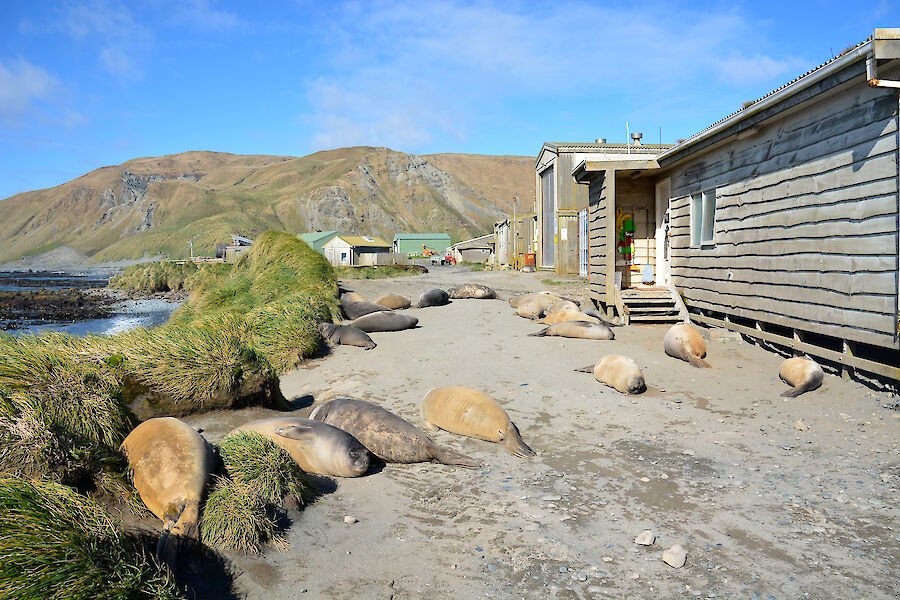
The Department of Climate Change, Energy, the Environment and Water is temporarily withdrawing staff from the Macquarie Island research station because of the risk that the H5 strain of bird flu could reach the sub-Antarctic island. The decision was taken to protect the wellbeing of the expeditioners stationed there, who face psycho-social risks from the prospect of an outbreak. The threat is a potential outbreak rather than a confirmed case on the island.
Macquarie Island is a sub-Antarctic island managed by Australia and is home to large populations of seabirds and seals, which are at risk from the virus. Expeditioners work on the island as part of the Australian Antarctic Program. The withdrawal means that research activity at the station will be reduced while the situation is monitored, and the department is responsible for managing the island's research presence and the safety of the people who work there.
The notice does not say when the H5 virus is expected to arrive on Macquarie Island, leaving the timing of the threat unclear. It also does not state how long the withdrawal will last or when staff are due to return. The full extent of the risk to the island's wildlife is still being assessed, which means that the scale of any potential impact on seabird and seal populations has not yet been established.
The concern centres on the island's wildlife. Seabird colonies and seal populations on remote sub-Antarctic islands are concentrated in large groups, which can make an outbreak of an infectious disease difficult to contain once it arrives. This is the reason the department has framed the threat as one to both the animals that depend on the island and the people who work there, and why it is treating the situation as a question of risk assessment rather than an immediate emergency response on the island.
For the Australian Antarctic Program, the withdrawal is a significant operational step. Expeditioners who would normally carry out research and maintain the station are being moved off the island while the threat is evaluated, which will interrupt the scientific work that depends on a continuous presence there. The notice does not describe which research projects are affected or whether any will be relocated, and it does not set out a timetable for resuming operations at the station.
The decision also highlights the vulnerability of Australia's sub-Antarctic territories to disease that reaches them from elsewhere. Because Macquarie Island is remote, any outbreak would depend on the arrival of infected birds or animals, and the department's response reflects a precautionary approach in which the health of staff and wildlife is weighed against the need to keep the station operating. The department has placed the protection of both people and animals at the centre of its response while the threat is assessed.
3