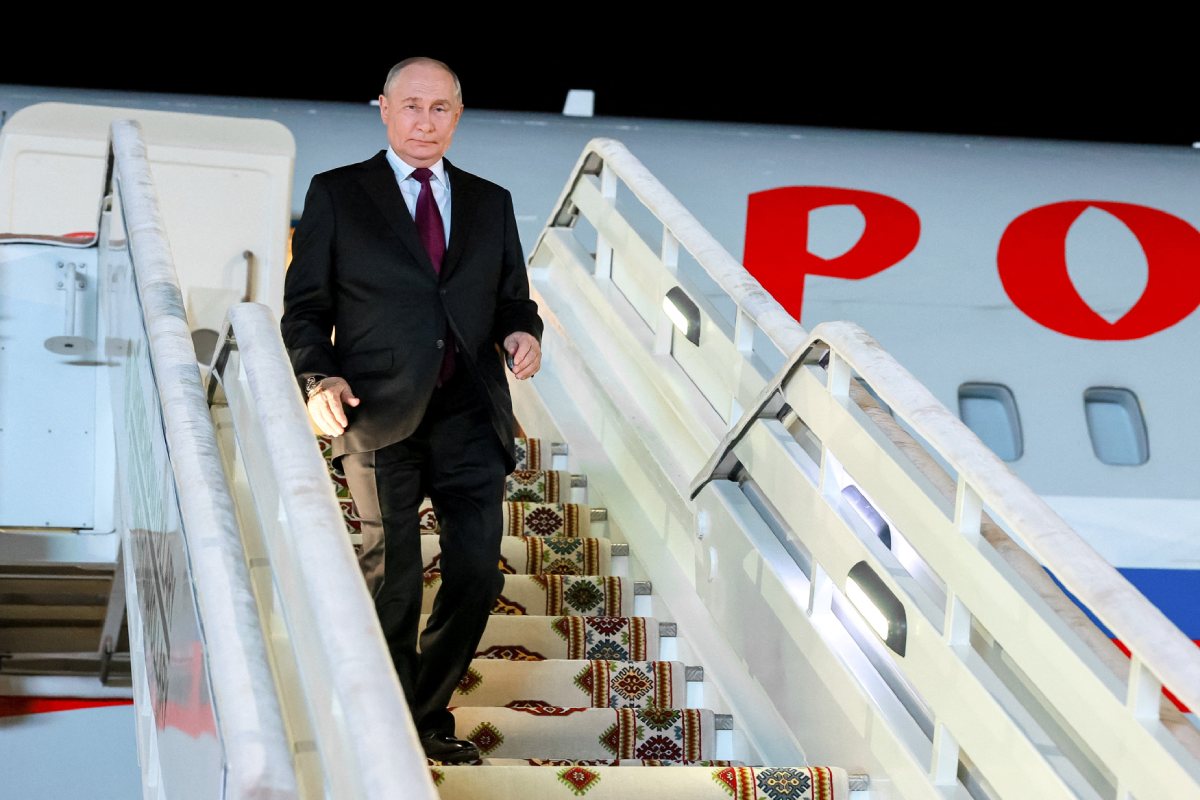

The UN climate conference, COP31, opens in Türkiye on Monday, and its arrival has drawn attention to the host government's record on democracy as well as on emissions. Analysts say the meeting gives President Recep Tayyip Erdoğan an opportunity to improve his country's international image at a time when critics argue that democratic safeguards have been steadily weakened during his two decades in power.
The hosting arrangement was not straightforward. Australia and Türkiye disputed who would host the conference, and a compromise was reached in November. Australian Climate Change and Energy Minister Chris Bowen presided over the negotiations held in Antalya, the Mediterranean resort city where the conference is taking place. The outcome means that Australia's climate diplomacy will operate alongside a government that has governed Türkiye for about twenty years.
The political backdrop to the meeting is one of division within the opposition. A judicial intervention split the main opposition Republican People's Party, known as CHP, and its Democrats and secularists then joined a new grouping, Yeni Parti, led by Özgür Özel. Professor İhsan Yılmaz of Deakin University, whose analysis has been cited in reporting on the country, said that the democratic safeguards on which the political system depends have been hollowed out under Erdoğan's government.
A specific change in the conference's rules has sharpened the debate. COP31 has reintroduced a clause barring interference in the host country's internal affairs. Observers have noted that the clause could be interpreted to cover the prosecution of political opponents and, potentially, the arrest of environmental activists. It is not yet clear how the provision would affect critics who travel to the conference, and the term «internal affairs» is not defined in the rules, leaving its scope open to interpretation.
The clause sits alongside a climate record that has itself drawn criticism. Türkiye has been faulted for slow progress in decarbonising its economy, and the conference has been seen as a chance for the government to present a stronger environmental image on the world stage. Whether the government can use the meeting to shift that perception will depend in part on what it commits to during the talks, and on how the internal affairs provision is applied while delegations are present in the country.
For Australia, the arrangement carries a diplomatic dimension. The compromise that secured the conference for Türkiye was reached after a dispute between the two countries, and Bowen's role in the Antalya negotiations placed the Australian government directly at the centre of the preparations. Delegates and observers attending the meeting will therefore be watching both the climate agenda and the host government's handling of dissent, and the two issues are increasingly being discussed together.
3