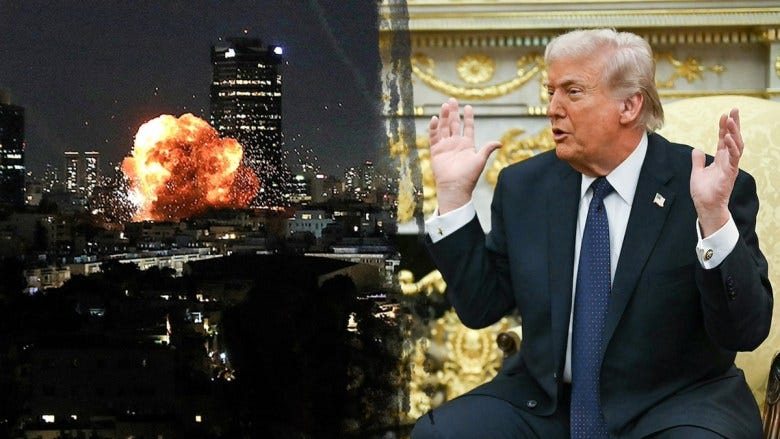
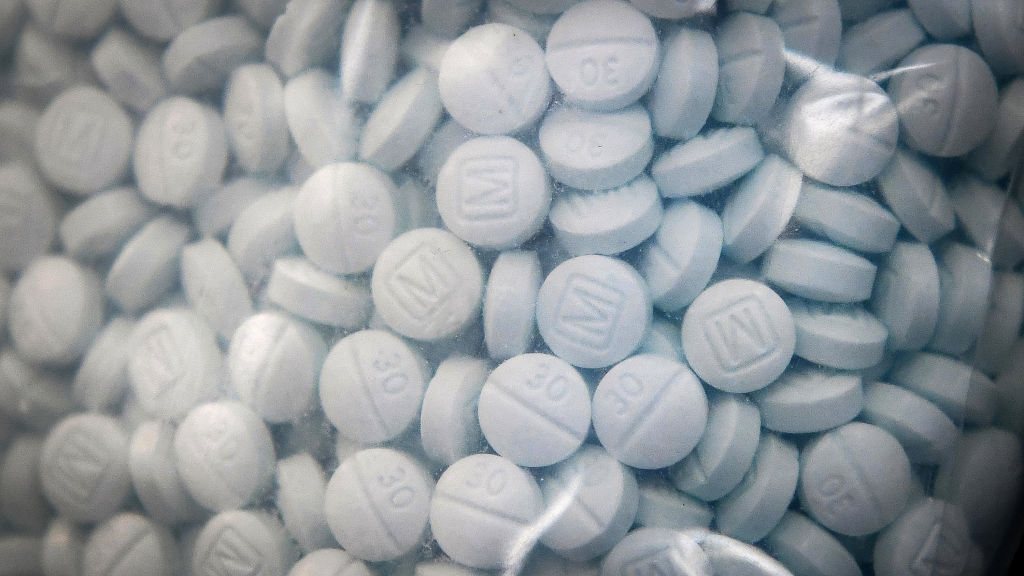
US President Donald Trump has signed an executive order designating fentanyl a weapon of mass destruction. The order was signed on a Monday and announced through the executive order process. The designation is the central element of the reporting available so far, and the account is brief.
The available reporting does not set out what the designation changes in practice. It does not say which federal agencies would be directed to act on it, what penalties, if any, would follow, or whether it alters existing drug or weapons of mass destruction statutes. Without that detail, it is not clear how the classification would be applied in enforcement, in prosecutions or in policy.
The scope of any enforcement effort under the order is also not described. The reporting does not cite figures on fentanyl deaths or seizures, and it does not include reactions from officials, experts or lawmakers. Those points would be needed to assess the order's significance and its likely effect on how fentanyl is policed and prosecuted.
The lack of detail means the order can be recorded only as a designation. Its wording, any accompanying guidance from federal agencies and the response from Congress would be the first places to look for how the classification is meant to operate. Until those are available, the practical consequences for enforcement and for the wider trade in synthetic opioids remain unclear.
For readers in Australia, the order is a development in US drug policy rather than a change to Australian law. Any effect on Australia would depend on how the designation is applied and whether it shapes the international response to synthetic opioids. The reporting available does not address either question.
5